
What is Coercive Control?
Coercive control is a strategic pattern of behaviour designed to exploit, control, create dependency and dominate. The victim’s every day existence is micro managed and her space for action as well as potential as a human being is limited and controlled by the abuser.
Initially lovebombing and charm may occur to get the victim into the relationship. Gaslighting, isolation, economic control and financial abuse and rules and regulations are gradually introduced over time once the victim is emotionally invested as well as a consequence if they are broken. The rules apply to the victim rather the perpetrator creating a double standard and the victim fears the consequence if she breaks a rule.
Over time, coercively controlling behaviour erodes the victim’s sense of self, their confidence and self-esteem, agency and autonomy.
The abuser creates an unreal world of contradiction, confusion and fear. Moreover 51% of victims do not even know that they are being abused, manipulated and controlled.
Coercive control correlates significantly to serious harm, femicide, homicide, familicide and suicide.
A number of feminist psychologists in the 1970s identified the domestic abuse victims that they worked with as living like hostages and coined the term ‘coercive control.’
This dangerous form of abuse relies on a range of behaviours or actions that can be very subtle and nuanced. The intention is to exploit and dominate and to ultimately deprive the victim of their most basic rights and needs. Over time, the victim may lose the very essence of being, the sense of who they are, their likes and dislikes, rendering their needs and desires irrelevant – hence hostage taking and living under an enforced regime.
At first the perpetrator may be charming and put the victim on a pedestal by the effective tactic of love bombing. Once under their spell, love bombed and intoxicated with love, their behaviour will change. The victim might wonder where the person they fell in love with went. They may not even recall when the change took place or how it happened.
Where did the term ‘coercive control’ originate from?
The art of brainwashing is sophisticated. The abuser replaces the victim’s inner narrative and thoughts with their own. Gradually, the victim’s voice is eroded and replaced with the abuser’s narrative – their views, needs, desires, wants which is placed above all else.
The behaviours can be very different in each case because it depends on the victimology. It’s very idiosyncratic to the victim and tailor-made as a plan to target them. And it can happen to anyone.
These behaviours can include strategies such as pseudo-caring tactics that appear to be attentive and thoughtful, while in reality the perpetrator is actually just micro managing the victim and limiting their space for action. They may appear super attentive and into the victim in the beginning, but all the while they may be social engineering and data mining and storing up information about the intended victim or creating an atmosphere of co-dependence.
When we understand coercive control, it’s really about a power imbalance, entrapment & utter domination.
Coercive Control is Akin to Brainwashing
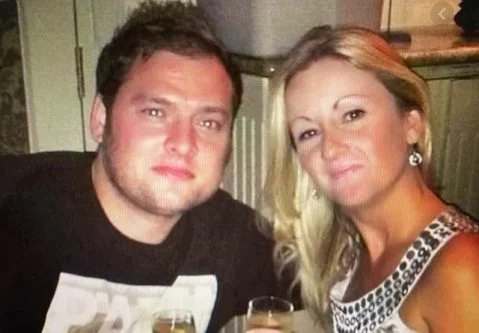
Case Study: Debra Newell #DirtyJohn
What are the Signs of Coercive Control?
-
Controlling who you can speak to, monitoring you online and/or offline, checking up on you, monopolising your time, creating drama when you want to go out preventing you from making your own choices about when you go out, preventing access to transport and limiting your time with others.
-
Making you feel bad and guilt tripping you to do things, policing what you wear
-
Taking over relationships, edging you out of your relationships, telling people not to speak with you
-
Undermining you, shouting, unpicking you, accusing you, name calling, putting you down, using information you have shared against you
-
Distorting the reality to upend and manipulate you
-
Using physical size to intimidate, using gestures, threatening family, friends or pets (those you care about the most), breaking things, punching walls, driving fast to intimidate, picking up weapons whilst talking with you, threatening to self-harm or commit suicide.
-
Putting you on a pedestal, being overly attentive, buttering you up (to knock you down or manipulate), using charm to disarm and when it suits to manipulate or just in front of others to create a false impression.
-
Setting the rules to live by (just applies to you and not them), dinner on the table at a certain time, dress a certain way, hair a certain way, micro management of your life.
-
Disrespecting you in front of others, interrupting you when you are with others, not listening or responding to you, taking your money, logging into your accounts, refusing to help you with shared household affairs, work or children, saying you cause the abuse or that you are to blame, lying to you, cheating on you, embarrassing you in front of others, sharing secrets, being jealous, monopolising your time, breaking promises or agreements, appropriating or denying you access to resources required for personhood and citizenship.
-
Following you, monitoring you online/offline, appearing in places you go to, watching you, using others to watch you.
-
Punching, kicking, slapping, pinching, burning, pinning you down, putting hands around the neck, biting, pulling hair, shoving.
-
Controlling finances, preventing you from working, making you ask for money, giving you an allowance, taking your money, making you work multiple jobs whilst they do nothing, not allowing you access to family income, putting debt in your name.
-
Forcing you to have sex, pressuring you, making you have sex with others, taking pictures or videos, forcing you to watch porn, demeaning you sexually, demeaning you sexually in front of others, calling you names.
-
A strategic campaign to make the victim fall in love. Grand declarations of love and/or gestures prior to intimacy or knowing the victim and an intent to move the relationship on at whirlwind speed to create dependency.
Sadly and paradoxically, it is the victim who is often blamed and shamed for the perpetrator’s behaviour, as if they are somehow complicit due to the familiarity of the setting where the abuse occurs. Most perpetrators are serial and hone their tradecraft over time by practicing on different victims.
We must focus on their behaviour and shift the responsibility back on to them. It is much more about what they do, how they do it and how they get away with it. Reframing the victim’s predicament as hostage-like and calling it coercive control helps dispels this misconception and ensuring serial perpetrators are on a register, just like sex offenders, would create the seismic cultural shift needed.
Support our campaign for a register to better protect future victims
For more information click here
Is Your Partner Coercively Controlling You?
Everyone argues from time to time. However, if there is a consistent pattern of behaviour from your partner that intimidates, upsets, hurt, harms, demeans or prevents you from making your own decisions, your partner may be using coercively controlling behaviour.
If you answer ‘yes’ you may be being abused.
Find the DASH Risk Checklist questions here:
For further help and information:
If you are in the UK and being stalked, you can call:
Paladin National Stalking Advocacy Service 0203 866 4107 info@paladinservice.co.uk www.paladinservice.co.uk
Call the 24hr freephone National Domestic Violence Helpline 0-808-2000-247
24 hours a day, 7 days a week
If you are in the US, you can call the National Domestic Abuse Hotline on 1-800-799-SAFE (7233)
https://www.thehotline.org/contact/
https://www.thehotline.org/help/
If you are in Australia, you can call 1800 Respect, the National Sexual Assault and Family and Domestic Violence Counselling Service on 1800 737 732
Other Australia wide services are available including Kids Helpline, Lifeline, Mensline and No To Violence:
If you are in immediate danger call 000
-
Does you partner stop you from seeing friends or family?
Do they go through your phone or e-mails?
Does your partner make you check in with them when you go somewhere?
Does your partner tell you what to wear?
Does your partner tell you who you can see or speak to?
Does your partner criticise or undermine you?
Does your partner prevent you from doing things?
Does your partner make you feel bad about yourself or your life?
Do you have to ask permission to do things?
Does your partner check up on you, follow you or monitor you either in real life or online?
Does your partner regularly accuse you of flirting, looking at others or cheating on them?
Is your partner jealous or controlling?
Do you ever change your behaviour as you are afraid of what your partner will do?
Do they prevent you from sleeping or taking medication?
Do they pressure you to drink or take substances?
Do they pressure you to have sex with them or others?
Do they make you do things of a sexual nature that hurt your or make you feel bad?
Does your partner make the rules and regulations and micro manage you?
Has your partner prevent you from taking medicine or seeking medical help?
Has your partner threatened to take the child(ren) away?
Has your partner tried to stop you leaving the house?
Has your partner ever destroyed your possessions?
Have you ever been afraid of your partner at any time?
Does your partner prevent you from being in education or employment?
Does your partner take the money you earn?
Does your partner refuse to let you access a bank account?
Does your partner control how and when money is spent?
Does your partner dictate what you can buy?
Does your partner make you ask for money or provide an allowance?
Does your partner check your receipts or bank statement?
Does your partner make you justify each purchase?
Does your partner control the use of property such as phone or car?
Does your partner insist all economic assets (e.g savings, house) are in their name?
Does your partner keep financial information secret?
Does your partner steal your money or property?
Do they cause damage to your property?
Does your partner refuse to contribute to household costs?
Do they spend money needed for household items or bills?
Do they build up debt in your name?
Do they insist all bills, credit cards & loans are in your name and make you pay for them?

Coercive control is about power and control and utter domination. It is a behavioural regime to exact control, that occurs over time.
It can be very subtle and nuanced.
Coercive control includes isolation, exploitation, intimidation and/or threats or actual physical harm. The behaviour is insidious and undermines the victim’s sense of self.
It is a form of hostage taking – an insidious ‘drip, drip, drip’. It can also include pseudo-caring behaviour. Oftentimes the perpetrators are charming. They may charm their way into the victim’s life and once controlled, upend them.
Isolation is a key tool of the abuser as they seek to monopolise perception. They lay down rules and regulations. The rules often change and do not apply to the abuser – only the victim. The rules are there to exact obedience.
The abuser becomes omnipotent. The abuse may be invisible to others. The abuser will have a supercharged sense of entitlement.
The abuser will slowly take the victim’s agency, autonomy and self-esteem. The patriarchy and structural inequalities further entraps the victim.
Deep Dive Into Coercive Control
-
a range of acts designed to make a person subordinate and/or dependent by isolating them from sources of support, exploiting their resources and capacities for personal gain, depriving them of the means needed for independence, resistance and escape and regulating their everyday behaviour.
-
a continuing act or a pattern of acts of assault, threats, humiliation and intimidation or other abuse that is used to harm, punish, or frighten the victim.
The controlling behaviour can be subtle, nuanced, indirect and by proxy.
Psychological abuse and emotional abuse are subset tactics of coercive control.
Behaviour includes, but is not limited to, intimidation, harassment, stalking, damage to property and threats of physical abuse, sexual abuse, or psychological abuse, gaslighting, love bombing, fear inducing, inserting in relationships and taking over relationships.
-
Gaslighting involves reality distortion. It’s a tactic in which a person, in order to gain more power, makes a victim question their reality. Anyone is susceptible to gaslighting, and it is a common technique of abusers, dictators, narcissists and cult leaders.
It is done slowly, so the victim doesn’t realise how much they’ve been brainwashed. For example, in the movie Gaslight (1944), a man manipulates his wife, played by Ingrid Bergman, to the point where she thinks she is losing her mind when all along he has set her up. I see it in so many of my cases, along with love bombing. Oftentimes the victim does not see themselves as the victim.
In fact, a large number of victims do not self-identify as a victim. It is akin to brain washing and often when talking with victims we hear the perpetrator’s voice, rather than their own.
If you think you are a victim or if you believe someone else is here are some of the warning signs and information so that you can help them:
-
Charm can be used to disarm
Lying
Manipulation
Denying they said or did something when you have the evidence
Data mining your vulnerabilities and acting very interested in your life. They may trade a vulnerability about their life with you and ask you to share something. When you share a secret, they weaponize what you tell them and use it as ammunition against you.
They attack the things that you hold near and dear. They attack your very essence of being.
They flip the script when you challenge them and out you on the back foot. You end up feeling sorry for them or defending your behaviour.
They continually upend you
They claim victimhood when challenged
They project – whatever they are doing, they accuse you of doing
They say that you are crazy and tell others
Their insidious ‘drip, drip, drip’ behaviour wears you down over time
Their actions do not match what they tell you
They align people against you
They insert themselves in your relationships
They tell you those closest to you are bad or up to no good
They isolate you.
-
Love bombing is an intense and constant stream of love communication, texts, emails, notes and gifts to sweep you off your feet and intoxicate you with love. It’s designed to make you fall in love.
It will not feel like bombardment, although it is. It will feel flattering. It will feel like the kind of romance we watch in movies – the attention to your every need, the sweet notes, the love declarations, the adoration, the flowers, the gifts.
He has assessed you and is mirroring exactly what you want to see and hear. It feels almost too good to be true – well, guess what, it is. It is all about control. The intention is to hook you in and make you fall in love. A whirlwind to get you under control.
Love bombing is a powerful aphrodisiac and tool in the abuser’s tool box. It gives you little time to think, it isolates you as they monopolise your every waking hour, it gives a false impression of who they are, and it moves the relationship along very quickly.
Before you know it, you are hooked. The message you receive is ‘he is really into you’ ‘we have an intense connection’ ‘we have known each other longer than you actually have.’ This is mind control and distorts the reality and before long, there will be pressure to move in together. Once he has you where he wants you, the behaviour will change.
Domestic Abuse and Coercive Control
It’s important to understand that domestic abuse is not just about physical violence. Domestic abuse is about power and control. It is a pattern of behaviour. There are many tools and tactics used by an abuser to control a victim and abuse is not always easy to spot.
Some behaviours are dressed up as pseudo-caring behaviour, for example, and some abusers can be very charming and manipulative.
51% of victims do not even know that they are being controlled, and if asked, they will defend the perpetrator. This is what is so dangerous and sophisticated about coercive control. It is tantamount to brain washing.
What are some of the behaviours to look out for?

Coercive Control Law:
Why it was needed and why other countries should follow our lead
I have been training law enforcement professionals for just over twenty years, highlighting through my research and analysis (including Terrorism Begins At Home: It’s Time To Join the Dots 2020; ‘Getting Away With It: A Profile of the Domestic Abuse Sexual Offenders and Serious Offenders’ 2004 Findings From the Domestic Homicide Reviews 2003) and that these are the most dangerous of perpetrators – when left unchecked.
Yet, domestic violence murders and stalking murders are the most preventable and predictable of all cases.
There’s almost always a pattern of abusive prior to the murders and largely we are talking about murders of women. That’s a pattern too – and that should not be ignored.
I always underline the power and control dynamics and tactics used by abusers and connect the learning to all the murders that have happened over the years, such as Clare Bernal who was stalked and murdered in 2005 in London and Jane Clough who was stalked and murdered in 2010 in Lancashire. Many of the same patterns repeat over the over again (www.dashriskchecklist.com)
Most of the professionals, by the end of the training session understand that coercive control is a pattern of behaviour – a behavioural regime – used by perpetrators. Many of them have told me that the cases and pictures of the women and girls I highlight and show, those who are no longer alive to tell their stories, stayed with them and made them want to do their jobs better. Yet, they would leave my classroom and when called to a ‘domestic’ they would attend ‘the incident’ and look for the physical evidence to prove ‘the incident’.
This was a major problem, not easily remedied. The legislative framework denoted ‘the incident’ as a singular event – yet domestic abuse – coercive control and stalking are patterned behaviours that entrap victims and steal their agency and autonomy over time. Furthermore, the media continues with this misconception when murders of women are reported as ‘isolated incidents.’ It’s systemic yet it’s highly misleading and dangerous for women when the word ‘incident’ is used.
I well understand that I can change the hearts and minds of professionals in my training sessions so that they take domestic abuse seriously and we can educate people about how to identify abuse and high risk behaviours. However, when women come forward and reported non-physical abuse, there was no offence – there was no crime – and often police and others would say there was nothing that they could do.
The legislative framework was the problem. When you think about it – it has been created and crafted by men for men (so that’s a sizeable challenge!) but it is also outdated and flawed and needs to catch up if it is to recognize the very essence and reality of domestic abuse.
Having successfully campaigned to change the law on stalking, resulting in a new offence of stalking in 2012, I knew it was possible to lobby for a new coercive control offence and the evidence and facts would speak for themselves. How could it be right to deny so many victims protection?
Our campaign team pulled together an advisory board, leading academics in domestic abuse and stalking, we wrote extensive briefing papers highlighting the criminalization gaps, we used case studies and case law (the evidence) and we listened extensively to the voices of victims and professionals, just as we did with stalking.
In fact, there was a direct nexus between the two and I firmly believe that had we not changed the law on stalking it would have been even more challenging to successfully campaign for the coercive control law and achience law reform within 12 months – a first I was told by a number of Members of Parliament.
Stalking and coercive control are both patterns of behavior, much of which is about the psychological impact and psychological undoing of a victim gradually over time.
Moreover, many of the behaviours used in stalking are used to coercively control someone whilst in a relationship. Ironically, the same behaviours on separation are called stalking and it was deemed to be a crime. Any pre-separation non-physical behaviour was ignored – namely the police said there was nothing they could do, as it was not a crime.
It made no sense that the moment of break-up became legally meaningful, particularly given that this is the most dangerous time for a woman. Why wait for behaviour to escalate and criminalize it on separation? My research highlighted that 76% of murders happen on separation, and most arguments that precede the murder are about child custody.
The Femicide Census in England and Wales (2016) revealed that this has remained static. Furthermore, I estimate that about 80% of murders of women happen within the first six months of the break up. Separation is the most dangerous time for a woman and it takes on average seven times to leave an abuser. It is with finality, when they have finally left, that behaviour can escalate to serious harm and murder and by then it is too late.
To compound matters, in order to use the stalking law, the behaviour must be uninterrupted i.e the back and forth of separation (largely owing to emotional investment, financial entrapment and children) renders it unprosecutable – namely the stalking law cannot be used.
We presented evidence and case law to the Home Office arguing that the law can criminalise a course of conduct and can move beyond physical injury – but it is selective. We highlighted that it needed to apply to violence in intimate relationships, as it does to stalking, given their fundamental similarity. Stalking laws criminalise a course of conduct, target patterns and address a broad range of harm. In these important respects, stalking legislation was useful when considering violence in intimate relationships.
And so it became even more pressing to close this criminalization gap to better protect women and ensure women come forward far earlier.
Once there is physical and/or sexual abuse, escalation has already happened. If strangulation occurs, the risk of serious harm and/or femicide increases sevenfold.
Left unchecked and without an intervention, the picture remains bleak for women.
The UN state that the most dangerous place for a woman is IN HER HOME.
As girls and women, we are warned continuously about stranger danger – but it’s the men who claim to love and care for us that we should be concerned with once the relationship ends:
In the UK a woman is murdered every three days at the hands of a current or ex male partner.
In the USA four woman are murdered every day by their (ex) or current male partner
In Australia at least one woman is murdered every week by a man who was supposed to love and care for her.
This is a pandemic and be advised that this does not include near misses or death by suicides caused by entrapment and insidious abuse by male domestic abusers.
When we surveyed domestic abuse victims and survivors and asked them what they wanted to change, 98% of victims said that law reform was needed
Interestingly 97% of professionals said that coercive control should be recognized in law
I firmly believe that closing down criminalization gaps and ensuring the legislative framework reflects the reality of domestic violence in all its guises is in everyone’s interest. My focus has always been on early identification, intervention and prevention, particularly given the research that shows coercive control and stalking correlates significantly with femicide and familicide and I still firmly believe that these are the most predictable and preventable of all murders.
We just need to ensure that women matter more.
Other countries are now following suit and criminalizing coercive control. I am hopeful America and Australia will be next.
For if we say nothing, do nothing and change nothing – exactly nothing will change for women. Sign the petitions below
More about our England and Wales domestic abuse law reform campaign
The Coercive Control Law in England and Wales
Coercive Control Law Reform Campaign in the USA – sign the petition
Coercive Control Law Reform USA
We are campaigning for domestic violence laws to be strengthened and modernised in the USA to reflect the reality of domestic abuse in all its guises and better protect women and girls. We are a group of survivors, campaigners, activists and experts. We know this will save lives and money.
Prior to the pioneering coercive control law in England and Wales, only 3 out of every 100 men reported for domestic violence were convicted and almost none were jailed (Fontes and Stark 2017). Abusers reported for 50 or more offences were no more likely to be punished than those who committed a single offence (Fontes and Stark 2017).
The same injustices occur in the USA with the same victims and perpetrators repeatedly reporting to Police and other front-line professionals.
Many blame the victims for “staying” rather than focusing on the abuser and their abusive behaviour. Most wait for an assault with clear evidence before acting and the police and court system continue to trivialise and minimise the abuse.
The Bottom Line?
Despite all the resources allocated to domestic violence, most professionals do not understand coercive control and as a consequence US victims and their children remain unsafe and at risk because their abusive partners are not held accountable.
Coercive control correlates significantly with serious harm and femicide.
The Facts and Evidence
Between 2000-2006, 3200 American soldiers were killed in combat. During that same period, more than three times as many women died at the hands of their husbands and boyfriends (Rachel Louise Snyder 2019)
A woman is murdered every 16 hours in the US by a current or former partner.
Some of the most dangerous cases happen when domestic violence, stalking and coercive control co-occur.
These ‘murders in slow motion’ are preventable. Early identification and intervention is vital to saving lives and saving money.
The Most Dangerous Place for a Woman and Children is the Home
How you can help?
Please take two minutes to SIGN the petition and SHARE it with your networks
WRITE to your senator and ask them to support Senator Kevin Parker’s coercive control bill S5306 in New York
WRITE to your senator and ask them to support Senator Susan Rubio’s coercive control bill SB1141 in California
WRITE to your senator and ask them to support Senator Alex Kasser’s coercive control bill SB1060 in Conneticut
If you are a victim or survivor of domestic abuse in the USA, please take two minutes to click the link and COMPLETE this important anonymous survey
Coercive Control Law
Reform Australia
Serial Domestic Abusers and Stalkers Should be on Same Register as Sex Offenders
Jason Smith had a history of abusive behaviour with other women before he met Zoe Dronfield. They met online and they seemed to have a lot on common. Smith did not tell Zoe about his history and neither did West Midlands Police, despite Zoe reporting Smith multiple times for abusive behaviour towards her. When Zoe ended the relationship with Smith, he escalated his behaviour and tried to kill her.
Zoe was victim number 18.
If Zoe had known about Smith’s history of offending she may have made different decisions – at least she would have had vital information to make an informed decision. There should be a duty on the police to proactively identify serial stalkers and domestic abuse offenders. These are the most dangerous of offenders and police have consistently failed to take domestic abuse an stalking seriously.
This is not just about one police service. The failings are consistent across all police services.
Women’s safety and protection is not a priority. Victims are still not being believed or taking seriously. We must ensure culture change happens and the police investigated the perpetrators, just like they would a terrorist, organised criminal and/or serial robber or burglar.
All Smith’s history was within West Midlands Police service, but no-one checked the databases and she was told to find herself a new boyfriend when she reported him for domestic abuse and stalking. Mother-of-two Zoe spent weeks in hospital recovering from bleeding to the brain, a stab wound to her neck and a broken right arm inflicted during an eight-hour ordeal at the hands of Smith, who was subsequently jailed for 10 years, with a further four on licence, in March 2015
There is currently no duty on police and probation to proactively identify, assess and manage serial domestic violence abusers and stalkers despite the fact that many go from one victim to the next and cause harm to so many.
Some escalate to murder like Smith and Simon Mellors who didn’t kill once. Mellors killed two women, Janet Scott and Pearl Black. Agencies apologise and say they will ‘learn the lessons’. They have been saying this for decades yet nothing changes. It is still now a priority, despite highlighting case after case where women are murdered.
We must focus on the perpetrators, those who commit the harm, and who are currently allowed to offend with impunity. There must be a real world consequence for their abusive behaviour. Why are they not the focus?
The Domestic Abuse Bill presents an opportunity to create real change. However, currently stalking and serial perpetrators are not even included and only 1% of perpetrators get any intervention. We have to change this.
Serial domestic abusers and stalkers should be included on the Violent and Sex Offenders Register and managed via the Multi-Agency Public Protection Arrangements. The system already exists but should be enhanced to ensure join up of intelligence and information.
MAPPA+ Meetings
With MAPPA, the prison and probation service lead and chair meetings as well as police, which is why MAPPA is the correct forum, however, it must be enhanced to MAPPA+.
MAPPA+ would include other specialist domestic violence agencies including specialist caseworkers like Independent Domestic Violence Advisers and Caseworkers and stalking services including Independent Stalking Advocacy Caseworkers must be invited to attend, as they hold the specialist knowledge about the dynamics of coercive control and stalking.
How would MAPPA+ work in practice?
A new category under MAPPA+ should be introduced: Category 4 Serial, Repeat, High Risk Domestic Violence and/or Stalking Perpetrators.
Police, Probation and Prison must proactively identify serial perpetrators under this new Category 4 and co-ordinate a risk management plan to engage, problem solve and/or target perpetrators.
Serial is defined as two or more victims where the perpetrator has been convicted for one domestic violence and/or stalking related offence, caution, acquittal or where orders exist including a Domestic Violence Protection Order, Stalking Protection Order, Restraining Order, Non-Molestation Order, Criminal Behaviour Order and/or Violent Offender Order. The category must also include those thought to be at risk of offending.
These orders must be used along with clear positive obligations just like Risk of Sexual Harm Orders are used for sex offenders. Positive obligations would be placed on a perpetrator including:
1. They must attend a treatment programme;
2. If they change their name, they must notify police;
3. If they move they must notify police;
4. If they go abroad they must notify police;
5. If they start a new relationship, they must notify police.
A Serial Priority Perpetrator Caseworker would be required in every area to work across Police and partner agencies, funded by the Police and Crime Commissioner. They would have responsibility for collating and assessing cases and selecting them to be heard at MAPPP+.
This will change the culture, hold violent men to account and responsible for their behaviour and it will save lives by protecting women, ensuring that it is the perpetrators who are pro-actively monitored and managed.
They are the most dangerous of offenders, with a supercharged sense of entitlement and high levels of manipulation. Some are psychopaths. Their behaviour should be monitored and managed, forcing them to take responsibility for their actions. This will shift the culture from focusing on and blaming the victim to focusing on the perpetrator and closing down their space for action.
TAKE ACTION:
Click on the link to sign our petition
Write to your MP or senator. Click the link for the template letter.
For more information about Paladin’s campaign to change the law
Some golden rules and advice about online dating
If you sign up to online dating always think about safety first:
-
Consider who else may use the site. If it is a free app or site, then there are no filters or checks. Beware, predators fish in free fishing holes.
Choose a username without your surname and keep your contact details private.
Set up a new e-mail account for dating.
Take your time before meeting someone.
Research them and do your due diligence. Ask questions.
Corroborate and check they are who they say they are. You would do research if you were buying a house and investing emotionally in someone is the biggest decision that you will make, along with throwing your genes in the gene pool with someone. This binds you together forever. Take it just as seriously, if not more so.
Limit the amount of personal information you post on line.
Meet in a neutral and safe place.
Bide your time before sharing home or work addresses.
Delay meeting or being dropped off at significant address.
Listen on a date, how much conversation is about you and how much is about them?
Report abuse or unacceptable behaviour.
-
Feel pressured into doing anything that you do not want to do.
Drink too much alcohol – if you are serious about dating, treat it as an interview.
Share any intimate pictures.
Respond to requests for money.
-
Be slow when you invite people into your life and be quick to eject them when you sense something is wrong.
When someone shows you who they are the first time, believe them.
Always, always trust your instinct.
Advice if you are Experiencing Abuse:
You are not alone. You can get help and there are advocates and specialists who can help.
You are not to blame nor are you responsible for the abuse.
Please do not suffer in silence. There are experts who can help.
If it is an emergency call 999.
If you cannot speak call 999, wait and then press 55 and you will be transferred to the police and they will know that you need help.
Get good practical advice from the 24hr freephone National Domestic Violence Helpline 0808 2000 247 24 hours a day, 7 days a week.
Paladin National Stalking Advocacy Service 0203 866 4107
info@paladinservice.co.uk – www.paladinservice.co.uk in the UKIn the US Call the National Domestic Abuse Hotline 1-800-799-SAFE (7233)
Please ensure you are aware of the risk factors using the DASH www.dashriskchecklist.com
Please tell family and friends what is happening to you.
Do not allow the abuser to isolate you from family and friends.
Keep a diary of the behaviour and the impact it is having on you.
Collect all the evidence – texts, emails, social media message, photos, letters, recordings etc.
Report abuse to police and take the DASH and your diary with you along with the coercive control law
Advice if you Believe Someone Else is Being Abused:
Are you worried about someone?
Domestic abuse is about power and control. It’s important that you are supportive and empower the person to make their own decisions and do not tell them what to do. You can do this in a number of ways:
Listen to them.
Believe them.
Be non-judgemental.
Acknowledge they are in a difficult situation.
Ask questions about what is happening.
Use the DASH with them www.dashriskchecklist.com
Give them accurate information about who can help.
Do not be impatient. It takes an abused woman seven times on average to leave an abuser safely.
Help the person with anything they may need.
Encourage them to build relationships outside the home.
Let them know they can count on your support.
Encourage them to create a safety plan if they want to leave. Leaving is a high-risk time and so this should be planned in a safe way.
If they end the relationship, let them know that you will support them. N.B. It can feel very frightening to leave everything you know, particularly if you have been isolated for a long time.
If you are a neighbour and you hear domestic abuse you can call CrimeStoppers Uk anonymously 0800 555 111 or online